






This project focuses on the further development of an alternative, innovative approach for soil remediation, specifically aimed at soil types where traditional remediation techniques are too expensive, drastic or difficult to implement (e.g. slightly to moderately contaminated soils, agricultural land, difficult to access sites, …).
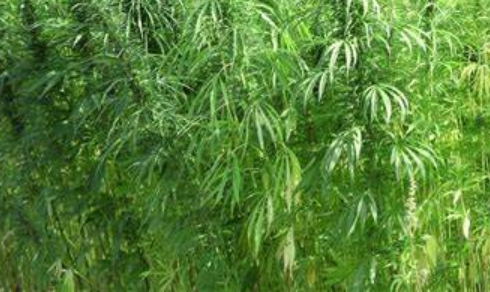
In concrete terms, the project will focus on two promising processes, i.e. phytoremediation and pyrolysis, which will be carefully evaluated for technical feasibility, effectiveness and efficiency. On the one hand, a field test will be conducted during multiple cultivation cycles to investigate the extent to which industrial hemp can accumulate PFAS in certain parts of the plant ( phytoremediation ). In addition to optimising PFAS uptake by the plant, innovative monitoring of multiple environmental compartments (groundwater, soil, plant) will also be actively used to accurately trace PFAS during the remediation process. After harvesting the hemp, the plant parts contaminated with PFAS (e.g. leaves) will be subjected to pyrolysis in a subsequent pilot test, with the aim of achieving optimum destruction of PFAS.
The added value of the proposed project, however, lies not only in the innovative remediation approach for PFAS (and by extension other substances of concern), but also in a broader value creation on an economic, ecological, social and societal level. The use of phytoremediation and pyrolysis in combination with industrial hemp can namely lead to various ecosystem services (e.g. soil upgrading, carbon storage, environmental awareness, …). The consortium is convinced that this holistic character is a powerful example for tackling global challenges.

Emergency services training ground (Ranst) + possibly other location
Intermediate results:
Within HEMP4PFAS, greenhouse pot experiments were conducted to assess the potential of industrial hemp for the management of PFAS-contaminated soil, using soil originating from the field trial site in Ranst (firefighter training center). To date, two cultivation cycles have been completed. The laboratory results of the first cultivation cycle have been delivered, while the laboratory analyses of the second cycle are still ongoing.
The results show that industrial hemp can take up and accumulate PFAS in plant tissues, with the highest concentrations found in the leaves (up to 750 µg/kg DW in leaves versus up to 28 µg/kg DW in stems and up to 125 µg/kg DW in roots – total PFAS).
Although plant uptake of PFAS was confirmed, particularly for short-chain PFAS compounds, the overall removal efficiency remained limited. The results therefore indicate that the potential for rapid soil remediation through phytoremediation is low. Unexpected increases in PFAS concentrations in the soil were observed, highlighting the complexity of PFAS dynamics and the need for improved experimental control.
Additionally, biomass development was found to play an important role in PFAS uptake by plants. Differences between treatments (addition of amendments) in PFAS-contaminated soil were limited, whereas clear differences were observed between PFAS-contaminated and non-contaminated soils.
The results suggest that PFAS-contaminated agricultural land may still be used productively, provided that long-term cultivation does not negatively impact groundwater quality and that the produced biomass can be safely processed and valorized.
Based on the current findings, it was decided to extend the pot experiment phase with a new test and additional analyses. In the continuation of the project, more attention will also be given to the long-term use of contaminated agricultural land and the valorization of the produced biomass.
The experiments have yielded several important insights:
A field trial was initiated in May 2026, and pyrolysis tests are being prepared.
Status
Duration
01/12/2024
-
30/11/2027
Location
Website
Coordinator
C-Biotech
Ingmar Nopens
Technology(ies) considered in project
Environmental compartments
Type of activity
Concern Type

